

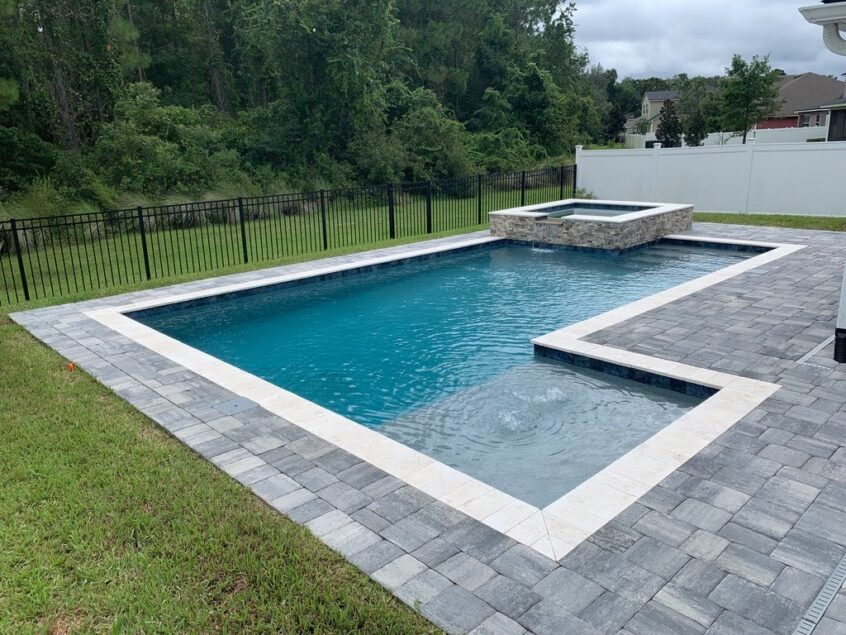
If you’ve been searching for pool installation near me, you’ve likely spent time thinking about design, features, and how your backyard will transform.
But before any excavation begins, there’s a critical step that determines how smoothly your project moves forward:
The permitting process.
For many homeowners across Northeast Florida, permits are the most confusing and stressful part of building a pool. There’s uncertainty around timelines, requirements, and what can go wrong if something is missed.
The goal of this guide is simple: remove that uncertainty.
We’ll walk you through exactly how pool permits work in Florida, what to expect in your specific county, how long it takes, and how to avoid delays so your project stays on track from day one.
Why Pool Permits Matter (And What Happens If You Skip Them)
It’s easy to think permits are just a formality or another box to check.
In reality, permits are one of the most important protections you have as a homeowner.
1. Resale Protection
When it comes time to sell your home, buyers, inspectors, and lenders will all look at whether your pool was properly permitted.
If it wasn’t, you may face:
- Delays in closing
- Requests for retroactive permitting
- Price negotiations or lost deals
Unpermitted work raises red flags and can turn what should be a smooth sale into a complicated process.
2. Avoiding Fines and Legal Issues
Florida counties take unpermitted construction seriously.
If a pool is built without proper approval, you could face:
- Daily fines until the issue is resolved
- Stop-work orders mid-project
- Requirements to remove or redo portions of the pool
These costs often exceed what the permit would have cost in the first place.
3. Safety and Liability
Permits are not just about paperwork, they ensure your pool is built safely and up to code.
That includes:
- Proper electrical bonding and grounding
- Structural integrity of the shell
- Required safety barriers to prevent accidents
If an accident occurs and your pool was not permitted, liability can fall entirely on you as the homeowner.
Florida Pool Permit Requirements (Statewide)
While each county manages its own permitting process, all pool construction in Florida must follow statewide regulations enforced by the Florida Department of Business and Professional Regulation.
These rules are designed to ensure consistency, safety, and quality across all residential pool builds.
Licensed Contractor Requirement
In Florida, pools must be built by a licensed contractor.
This protects you by ensuring:
- The builder meets state qualifications
- Work is completed to code
- Proper insurance is in place
If you’re still early in your research, reviewing how the full process works can help you plan ahead. You can learn more about timelines and common setbacks in our guide on avoiding delays in pool construction.
Barrier and Safety Laws
Florida has strict pool safety requirements to prevent accidents, especially involving children.
You must have at least one approved safety feature:
- A fence at least 4 feet high
- A screen enclosure
- Alarms on doors or windows leading to the pool
- Pool water alarms
Most homeowners in Northeast Florida choose screen enclosures for both safety and usability.
Setback and Zoning Rules
Your pool must meet setback requirements, meaning it must be placed a certain distance from:
- Property lines
- Septic systems
- Easements or utility lines
These rules can directly impact the size and shape of your pool, which is why proper planning is critical early in the process.
If you’re still evaluating budget alongside placement constraints, our Pool Pricing Estimator can help you understand how layout decisions impact overall cost.
Engineering Plans and Documentation
Before a permit can be approved, your builder must submit:
- A scaled site plan
- Structural and engineering details
- Equipment specifications
- Drainage and grading considerations
Incomplete or inaccurate documentation is one of the most common causes of delays.
County-by-County Permit Breakdown (Northeast Florida)
While Florida sets the baseline rules, the real differences happen at the county level.
If you’re comparing pool contractors near me, this is where experience matters most.
Clay County (Middleburg, Fleming Island)
Clay County is often the most straightforward and homeowner-friendly when it comes to pool permits.
- Timeline: usually 3-4 weeks
- HOA involvement: varies, but often less restrictive
For homeowners searching pool installers Clay County FL or pool contractors Middleburg FL, the process tends to be smoother and faster compared to neighboring counties.
If you’re in early planning, you can use our Pool Pricing Estimator to get a rough idea of total project costs before permitting begins.
St. Johns County (St. Augustine)
St. Johns County
- Timeline: typically 2-4 weeks
- HOA approvals: very common and often required before submission
Additional complexities include:
- Strict setback regulations
- Detailed site plan expectations
- More thorough plan reviews
Homeowners working with experienced pool builders St. Augustine FL can significantly reduce delays by ensuring everything is submitted correctly the first time.
Duval County (Jacksonville)
Jacksonville presents a different type of challenge.
- Timeline: 4-6 weeks
- Key issue: property constraints
Many properties in Duval County involve:
- Limited access points for construction
- Underground utilities and easements
- Drainage and grading challenges
These factors often influence both your design and your total project cost. You can explore how those decisions impact your budget using our Pool Pricing Estimator.
Putnam County
Putnam County is generally more flexible, especially in rural areas.
- Timeline: 4-5 weeks
- Fewer HOA restrictions
Even with fewer layers of approval, all structural, safety, and inspection requirements still apply.
How Long Does a Pool Permit Take in Florida?
Timelines vary based on location, season, and application quality.
Here’s what most homeowners can expect:
|
County |
Typical Timeline |
|
Clay County |
3–4 weeks |
|
St. Johns County |
2–4 weeks |
|
Duval County |
4-6 weeks |
|
Putnam County |
4-5 weeks |
During peak seasons, especially spring and early summer, timelines can extend due to increased demand.
Permitting delays are one of the most common reasons pool construction gets pushed back.
Pool Permitting Timeline

How Breakwater Handles the Permitting Process
This is where working with the right builder makes the biggest difference.
At Breakwater Construction, the permitting process is handled entirely on your behalf so you don’t have to navigate the complexity yourself.
Our Process Includes:
- Preparing and submitting complete applications
- Creating accurate, compliant site plans
- Coordinating HOA approvals
- Managing communication with county offices
- Scheduling all inspections
- Proactively following up to avoid delays
This approach is part of our full design-to-build process, where everything is planned upfront to eliminate surprises.
Common Permit Delays (And How to Avoid Them)
Most delays are preventable with proper planning and experience.
Incomplete Applications
Missing documents or incorrect plans can delay approval by weeks.
Solution:
Work with a builder who submits complete, accurate documentation the first time.
HOA Approval Delays
HOAs often operate on fixed review schedules, which can slow things down.
Solution:
Start HOA approval early and align it with your permit timeline.
Design Changes After Submission
Changing your pool design after permits are submitted often requires resubmission.
Solution:
Finalize your design early. If you want confidence before permitting, consider reviewing a 3D design beforehand so you can lock in decisions before submission.
Seasonal Backlogs
Permit offices are busiest during spring and summer.
Solution:
Plan your project during fall or winter when possible.
Site-Specific Issues
Unexpected challenges like utilities or drainage can delay approvals.
Solution:
Conduct a detailed site evaluation before submitting permits.
What Happens After Your Permit Is Approved?
Once your permit is approved, your project moves into construction, but inspections remain a critical part of the process.
These typically include:
- Post-excavation inspection
- Plumbing and steel inspection
- Final inspection before completion
Each phase must pass inspection before the next step begins.
This is where experienced pool contractors near me ensure everything stays on schedule and aligned with your timeline.
Permits Don’t Have to Be Complicated
Permits are one of the most important parts of pool installation in Florida, but they don’t have to be overwhelming.
With the right team, they become a smooth, predictable step in the process instead of a source of stress.
When handled correctly, permits:
- Protect your investment
- Keep your project compliant
- Prevent costly delays
Ready to Start Your Pool Project?
If you’re searching for pool installation near me or comparing pool contractors, the next step is simple.
Talk through your property, timeline, and permitting requirements with an expert.
You can start by using our Pool Pricing Estimator to get a baseline for your project, then schedule a consultation to map out your next steps.
Let Breakwater Construction manage your permits from start to finish.
Schedule your free consultation today and move forward with clarity and confidence.


